Is AI dangerous, or just misunderstood?
The scary robot on the news and the tool I use every day are not the same thing. A builder's honest, non-hype take on where AI actually helps, where it actually harms, and what to watch.
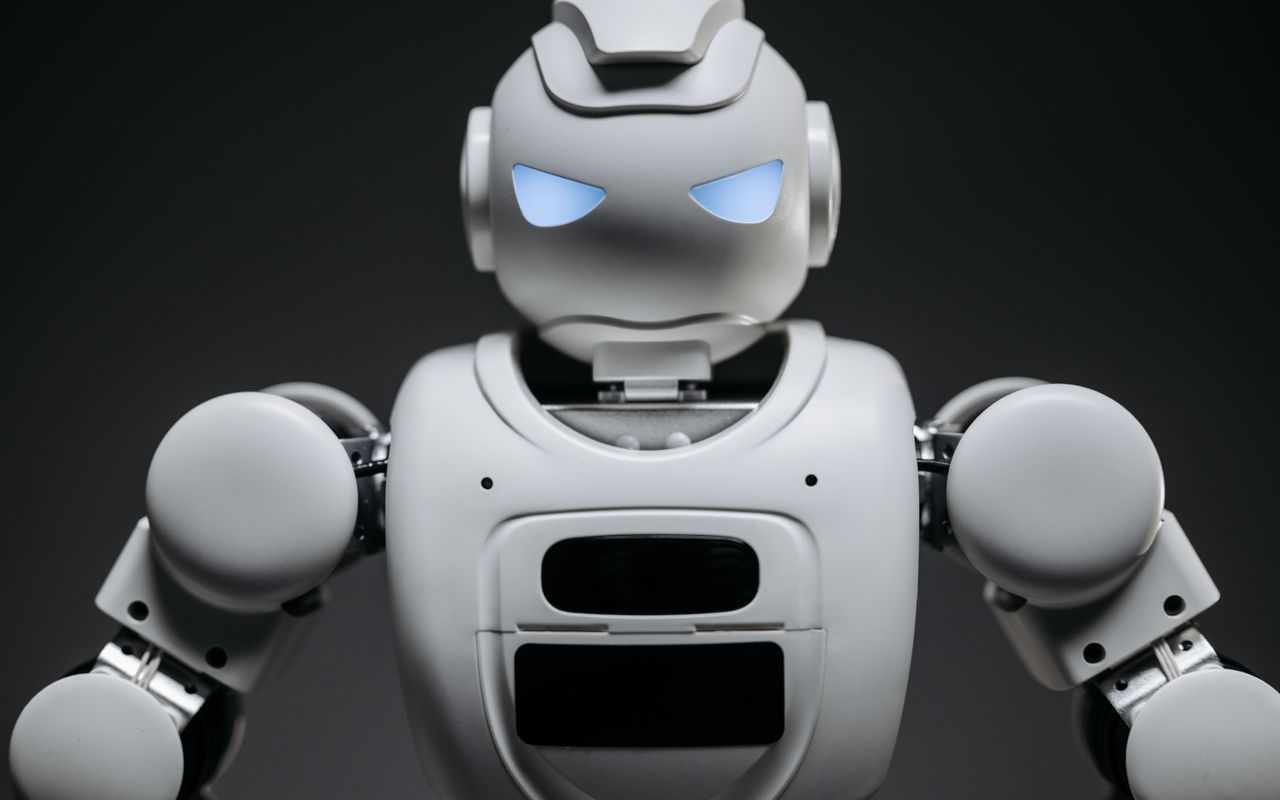
Ask two people whether AI is dangerous and you’ll get a killer-robot movie plot from one and a shrug from the other. Both are wrong. I use AI to ship real software every day, so here’s the un-hyped version: AI is a powerful tool, and the danger — like with any powerful tool — is in how it’s used.
The danger isn’t cinematic. It’s mundane.
The scary headlines are about a superintelligence taking over. The actual risks in 2026 are far more boring and far more real:
- Confidently wrong output. Models hallucinate — they produce fluent, plausible answers that are simply false. The danger isn’t the mistake; it’s a human acting on it without checking.
- Scams at scale. Deepfakes, cloned voices and mass-personalised phishing are the immediate misuse — cheap, convincing, and already here.
- Bias, automated. A model trained on biased data will make biased decisions faster and at larger scale, with a veneer of “the computer said so.”
- De-skilling. If you let AI think for you instead of with you, your own judgment quietly atrophies.
None of that is a robot uprising. All of it is human misuse of a tool — which is exactly the kind of problem we know how to manage.
The upside is just as real
The same tool, used well, is genuinely transformative. It lets a solo builder in Pontianak ship products that used to need a team. It explains a hard concept to a student at 2am. It drafts, translates, summarises and accelerates. I’ve written about running an LLM gateway and auditing what AI produces precisely because the upside is worth doing properly.
Dismissing AI as “just hype” is as lazy as fearing it as a monster. It’s a lever — and levers move whatever you point them at.
The line that actually matters
Here’s my rule, and it’s the same one I apply to my own code:
AI accelerates. It does not absolve you of verification. The moment you trust output you didn’t check, the tool stops helping and starts risking.
That single habit — verify before you trust — neutralises most of the “danger.” A hallucination you catch is a non-event. A deepfake you’re skeptical of is harmless. A biased output you review is a bug you fix.
So, dangerous or misunderstood?
Mostly misunderstood — by the people who think it’s magic and the people who think it’s a menace. It’s neither. It’s a fast, powerful, imperfect tool that amplifies the intent and the rigor of whoever holds it.
Point it at real problems, keep a human accountable for the output, and be honest about what it can’t do. Do that, and AI is one of the most useful things we’ve built. Skip it, and you’ve just automated your mistakes.
FAQ
Is AI actually dangerous?
AI can be harmful when misused — misinformation, scams, biased decisions, and blind trust in wrong output. But the danger comes from how people deploy it, not from the model 'wanting' anything. Treat it like any powerful tool: powerful, neutral, and needing guardrails.
What are the real risks of AI right now?
The practical ones: confidently wrong answers acted on without checking, automated scams and deepfakes, bias baked into decisions, over-reliance that erodes skill, and privacy leaks from careless data handling. All manageable, none science-fiction.
So is AI good or bad?
Neither on its own. It's a force multiplier — it amplifies whatever intent and rigor you bring. Build with verification and honesty and it's overwhelmingly useful; cut corners and it amplifies the harm just as fast.